
Indoor plant care is a process of observation. Before changing products or routines, compare the plant’s current condition with its recent light, watering, root environment, temperature and pest history. This prevents one symptom from triggering several conflicting treatments.
Read the edge
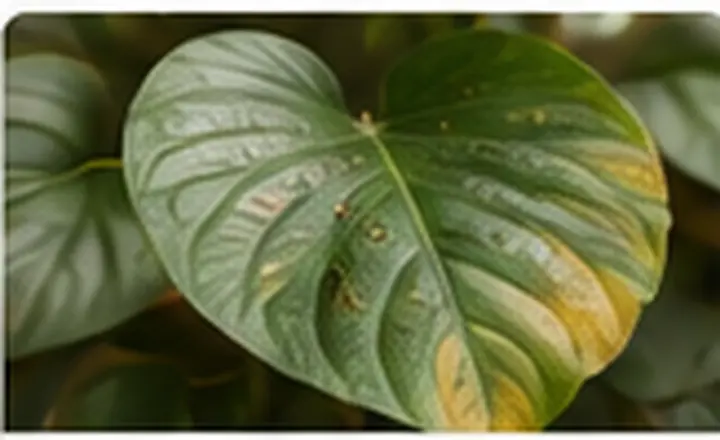
Crisp tips can follow inconsistent watering, low humidity, fertilizer salts, water quality or root damage. Large pale patches are more consistent with sun scorch, while soft dark tissue can indicate rot or cold injury.
- Compare old and new leaves.
- Check for white mineral crust.
- Review recent fertilizer use.
Correct gently
Improve consistency, flush suitable pots if salts are suspected, and move plants away from direct heat. Trim cosmetic damage only after the cause is being addressed.
- Use clean scissors.
- Leave a thin brown margin rather than cutting green tissue repeatedly.
- Do not overwater to raise humidity.
When to investigate further
If brown areas expand quickly, smell foul, or appear with collapsing stems, inspect roots and consider disease or severe environmental injury.
- Isolate unusual spotting.
- Avoid wetting leaves late in cool conditions.
- Seek local horticultural advice for persistent disease.
A simple action plan
- Identify the plant by botanical name where possible.
- Record the symptom, soil condition, light and recent changes.
- Correct the most likely environmental cause first.
- Recheck new growth before making another major change.
Local water, climate, building design and product labels differ internationally. Follow local horticultural and safety guidance when using fertilizers, pesticides, electrical grow lights or humidifiers.