
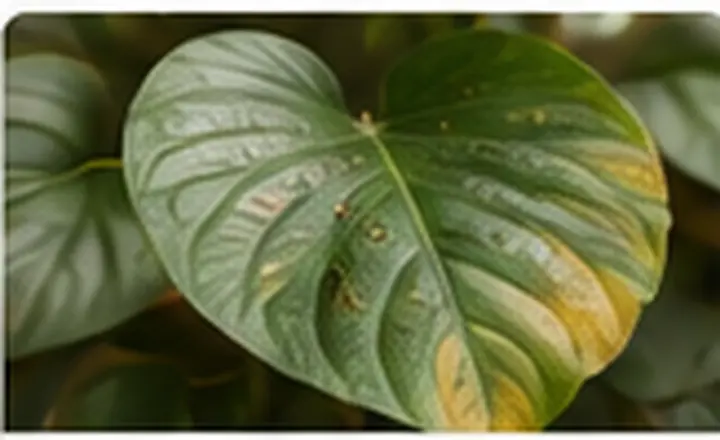
Indoor plant care is a process of observation. Before changing products or routines, compare the plant’s current condition with its recent light, watering, root environment, temperature and pest history. This prevents one symptom from triggering several conflicting treatments.
Common names are unreliable
One common name can refer to several unrelated plants with different toxicity. Confirm the botanical name and check a current veterinary poison-control source before bringing a plant home.
- Use the ASPCA toxic and non-toxic plant database.
- Ask a veterinarian when the identity is uncertain.
- Keep labels and receipts.
Non-toxic does not mean edible
Even plants listed as non-toxic can cause vomiting or stomach upset if a pet eats enough foliage or potting mix. Fertilizer, pesticides and decorative toppings add separate risks.
- Prevent access rather than relying on labels.
- Store products securely.
- Avoid cocoa mulch and sharp decorative materials.
If ingestion occurs
Remove access, save a sample or photograph, and contact a veterinarian or local animal poison service promptly. Do not induce vomiting unless a professional tells you to do so.
- Know your local emergency veterinary number.
- Provide the botanical name and product labels.
- Do not wait for severe symptoms.
A simple action plan
- Identify the plant by botanical name where possible.
- Record the symptom, soil condition, light and recent changes.
- Correct the most likely environmental cause first.
- Recheck new growth before making another major change.
Local water, climate, building design and product labels differ internationally. Follow local horticultural and safety guidance when using fertilizers, pesticides, electrical grow lights or humidifiers.