Indoor plant care is a process of observation. Before changing products or routines, compare the plant’s current condition with its recent light, watering, root environment, temperature and pest history. This prevents one symptom from triggering several conflicting treatments.
Why schedules fail
Calendar watering ignores pot size, root mass, light, season, temperature and potting mix. Instead, use a recurring reminder to inspect the plant. The result of the inspection—not the date—should determine whether water is needed.
- Feel below the surface.
- Lift the pot to learn its dry and wet weight.
- Check more often in bright warm conditions.
How to water thoroughly
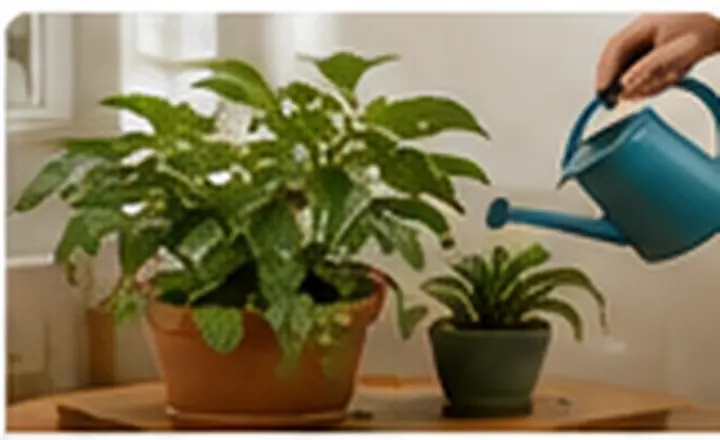
When the plant needs water, apply enough to moisten the root ball evenly and allow excess to leave the drainage hole. Discard water from the outer pot or saucer so roots do not stand in it. If water runs down the sides of a very dry root ball, water slowly in stages.
- Use room-temperature water.
- Confirm that the drainage hole is open.
- Do not add a small splash every day unless the plant and medium truly require it.
Read the aftermath
A plant that remains heavy and wet for many days may need more light, a smaller pot, a more open mix, or less frequent watering. A plant that wilts again within hours may have a dry core, damaged roots, or a pot that is too small.
- Record major changes.
- Inspect roots before assuming thirst.
- Reduce water when growth slows.
A simple action plan
- Identify the plant by botanical name where possible.
- Record the symptom, soil condition, light and recent changes.
- Correct the most likely environmental cause first.
- Recheck new growth before making another major change.
Local water, climate, building design and product labels differ internationally. Follow local horticultural and safety guidance when using fertilizers, pesticides, electrical grow lights or humidifiers.