
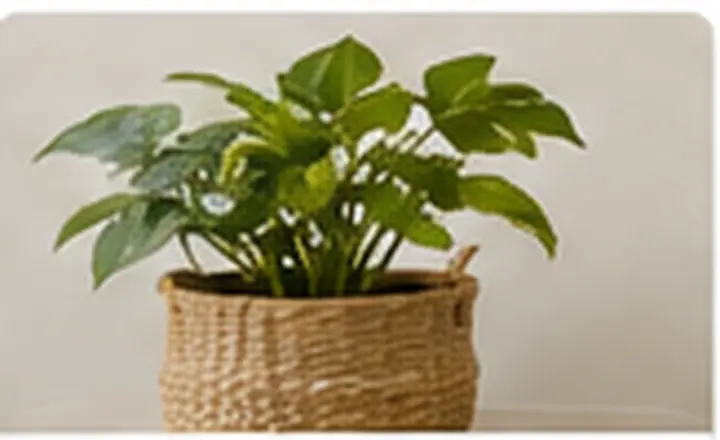
Indoor plant care is a process of observation. Before changing products or routines, compare the plant’s current condition with its recent light, watering, root environment, temperature and pest history. This prevents one symptom from triggering several conflicting treatments.
Light changes across a room
Brightness falls quickly with distance from a window. A plant two metres from a bright window may receive far less usable light than one near the glass. Buildings, trees, curtains and seasonal sun angles also matter.
- Use shadows as a clue: crisp shadows usually mean stronger light.
- Rotate plants for balanced growth.
- Reassess in winter or rainy seasons.
Signs of too little light
Long gaps between leaves, smaller new growth, leaning, slow drying soil and loss of variegation often point to insufficient light. Move gradually to a brighter position rather than suddenly placing shade-grown leaves in hot sun.
- Trim weak growth only after improving light.
- Reduce watering in dim conditions.
- Consider a properly positioned grow light.
Signs of excess light
Bleached patches, tan scorch, hot leaves and rapid wilting can follow abrupt exposure. Filter intense sun or move the plant back, then acclimate over days or weeks.
- Avoid leaf contact with very hot glass.
- Watch newly purchased greenhouse-grown plants.
- Protect shade plants from midday sun.
A simple action plan
- Identify the plant by botanical name where possible.
- Record the symptom, soil condition, light and recent changes.
- Correct the most likely environmental cause first.
- Recheck new growth before making another major change.
Local water, climate, building design and product labels differ internationally. Follow local horticultural and safety guidance when using fertilizers, pesticides, electrical grow lights or humidifiers.