
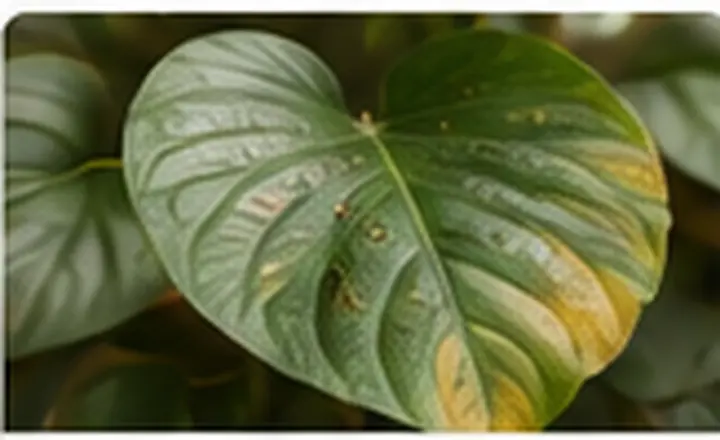
Indoor plant care is a process of observation. Before changing products or routines, compare the plant’s current condition with its recent light, watering, root environment, temperature and pest history. This prevents one symptom from triggering several conflicting treatments.
Identify the growing point
A pothos cutting needs a node, while a spider plant provides a ready-made plantlet. Some leaves can produce plants; others cannot. Learn the species before cutting.
- Use healthy pest-free material.
- Label cuttings.
- Take more than one when success matters.
Water or mix?
Water makes root development visible, while potting mix reduces the transition later. Both can work for suitable species. Keep conditions bright but out of harsh sun.
- Use clean containers.
- Refresh stagnant water.
- Keep mix lightly moist, not saturated.
Patience and transition
New roots are delicate. Move water-rooted cuttings when they have a useful root system, then keep the new mix evenly moist during the adjustment period.
- Do not fertilize unrooted cuttings heavily.
- Expect different timelines by species.
- Avoid sealing cuttings in overheated direct sun.
A simple action plan
- Identify the plant by botanical name where possible.
- Record the symptom, soil condition, light and recent changes.
- Correct the most likely environmental cause first.
- Recheck new growth before making another major change.
Local water, climate, building design and product labels differ internationally. Follow local horticultural and safety guidance when using fertilizers, pesticides, electrical grow lights or humidifiers.