
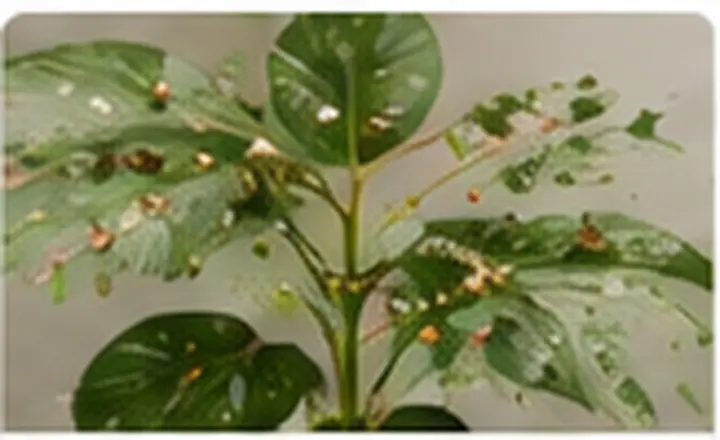
Indoor plant care is a process of observation. Before changing products or routines, compare the plant’s current condition with its recent light, watering, root environment, temperature and pest history. This prevents one symptom from triggering several conflicting treatments.
Light is the limiting factor
Most culinary herbs need much brighter light than foliage houseplants. A sunny window may work seasonally; otherwise, a suitable grow light positioned close to the canopy is often needed.
- Give each species enough space.
- Rotate trays.
- Watch for heat from fixtures.
Containers and watering
Use food-safe containers with drainage and clean potting mix. Herbs in small pots can dry quickly, but constant wetness weakens roots.
- Water the mix, not harvested leaves.
- Use clean scissors.
- Discard plants treated with products not labelled for edible crops.
Start with practical herbs
Basil, parsley, chives and mint can work under strong light, though mint is best contained. Woody Mediterranean herbs often need especially bright light and excellent drainage.
- Do not assume grocery-store pots are one plant.
- Thin crowded seedlings.
- Replace declining annual herbs rather than over-treating them.
A simple action plan
- Identify the plant by botanical name where possible.
- Record the symptom, soil condition, light and recent changes.
- Correct the most likely environmental cause first.
- Recheck new growth before making another major change.
Local water, climate, building design and product labels differ internationally. Follow local horticultural and safety guidance when using fertilizers, pesticides, electrical grow lights or humidifiers.