
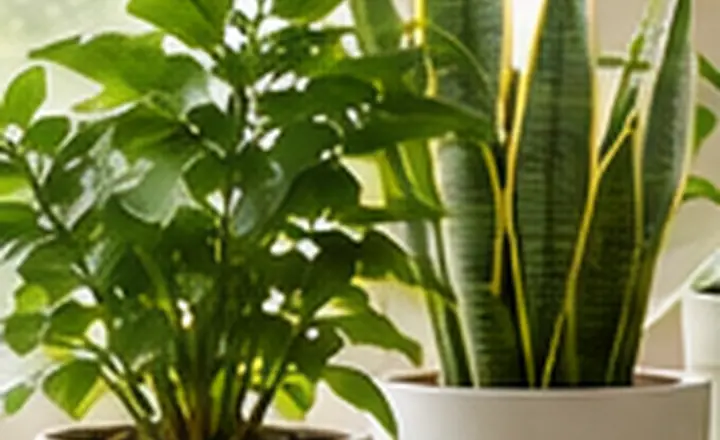
Quick care guide
Medium to bright indirect light is best, though established plants tolerate lower light.
Allow much of the potting mix to dry before watering again; excess moisture is the main risk.
Average indoor humidity.
A fast-draining cactus or succulent-style mix with added mineral material.
Light and placement
Medium to bright indirect light is best, though established plants tolerate lower light. Place the plant where it can remain stable rather than moving it repeatedly. Watch the newest growth: smaller leaves, stretching or leaning usually mean the plant needs more usable light, while pale scorched patches can follow sudden exposure to strong sun.
Window direction is only a starting clue. Distance from glass, curtains, nearby buildings, trees and seasonal sun angle can change light dramatically. Move the plant gradually when increasing exposure.
Watering and roots
Allow much of the potting mix to dry before watering again; excess moisture is the main risk. Water thoroughly when the plant’s root zone is ready, then let excess leave the drainage hole. Empty cachepots and saucers. A plant in lower light, a larger pot or a moisture-retentive mix will usually dry more slowly than the same species in warm bright conditions.
A fast-draining cactus or succulent-style mix with added mineral material. Repot only when roots are crowded, the mix has decomposed, or drainage behaviour has changed. A modest increase in pot size is safer than surrounding a small root system with a large volume of wet mix.
Growth, pruning and propagation
Upright leaves from rhizomes; growth is slow in dim rooms. Prune with clean tools and remove only damaged or unwanted growth. Cleaning leaves helps you notice pests and allows light to reach the surface.
Propagation: Division keeps patterns true; leaf cuttings can produce new plants but may lose variegation.
Common problems
Soft bases and root rot from wet soil, leaning in very low light, and cold damage near winter windows. Diagnose by checking soil moisture, root condition, light and recent changes before adding fertilizer or pesticide. Damaged leaves may not recover, so judge improvement by healthy new growth.