
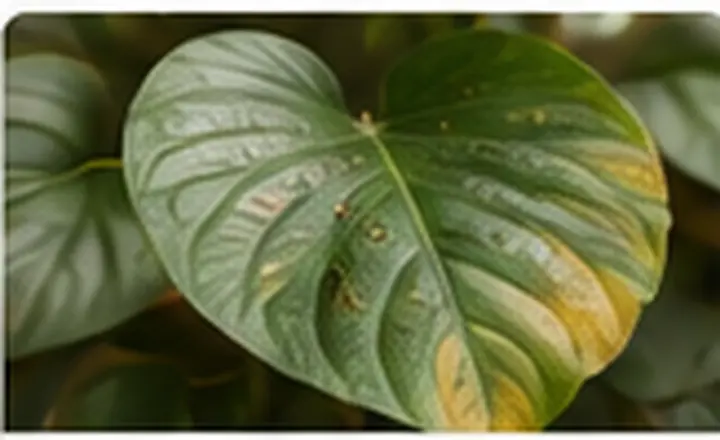
Indoor plant care is a process of observation. Before changing products or routines, compare the plant’s current condition with its recent light, watering, root environment, temperature and pest history. This prevents one symptom from triggering several conflicting treatments.
Stability matters
Many houseplants tolerate ordinary room temperatures but dislike abrupt changes. A plant can be comfortable during the day yet chilled by a winter window at night or heated by a radiator below it.
- Move leaves away from cold glass.
- Avoid placing plants directly over vents.
- Check overnight temperatures in sunrooms.
Airflow without wind stress
Gentle air movement helps leaves dry and reduces stagnant pockets. Strong fan blasts can increase water loss and damage tender foliage.
- Use low fan settings at a distance.
- Leave space between plants.
- Do not aim air conditioners directly at foliage.
Seasonal adjustments
Lower winter light usually slows water use. Summer heat, outdoor moves and open windows can increase drying or introduce pests. Adjust care from observation rather than the calendar alone.
- Inspect after heat waves.
- Acclimate plants moved outdoors.
- Check plants brought inside for insects.
A simple action plan
- Identify the plant by botanical name where possible.
- Record the symptom, soil condition, light and recent changes.
- Correct the most likely environmental cause first.
- Recheck new growth before making another major change.
Local water, climate, building design and product labels differ internationally. Follow local horticultural and safety guidance when using fertilizers, pesticides, electrical grow lights or humidifiers.