Indoor plant care is a process of observation. Before changing products or routines, compare the plant’s current condition with its recent light, watering, root environment, temperature and pest history. This prevents one symptom from triggering several conflicting treatments.
One leaf or many?
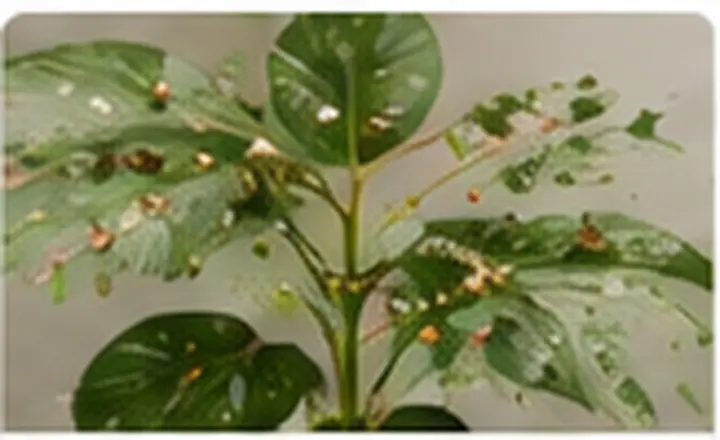
An occasional older leaf can be normal. Rapid yellowing across the plant is more concerning. Note whether yellowing begins at the base, on new growth, between veins or after a move.
- Photograph the pattern.
- Check the soil before watering.
- Look for pests and root odour.
Common causes
Prolonged wetness, severe dryness, low light, root crowding, cold, nutrient imbalance and normal ageing can all produce yellowing. The same symptom can have opposite causes, which is why context matters.
- Do not fertilize automatically.
- Correct one likely factor at a time.
- Inspect roots when the pot stays wet unusually long.
Recovery
Remove fully yellow leaves, stabilize light and watering, and wait for new growth to judge improvement. Damaged leaves rarely turn green again.
- Track the next two or three leaves.
- Avoid repeated relocation.
- Give roots time to recover.
A simple action plan
- Identify the plant by botanical name where possible.
- Record the symptom, soil condition, light and recent changes.
- Correct the most likely environmental cause first.
- Recheck new growth before making another major change.
Local water, climate, building design and product labels differ internationally. Follow local horticultural and safety guidance when using fertilizers, pesticides, electrical grow lights or humidifiers.